
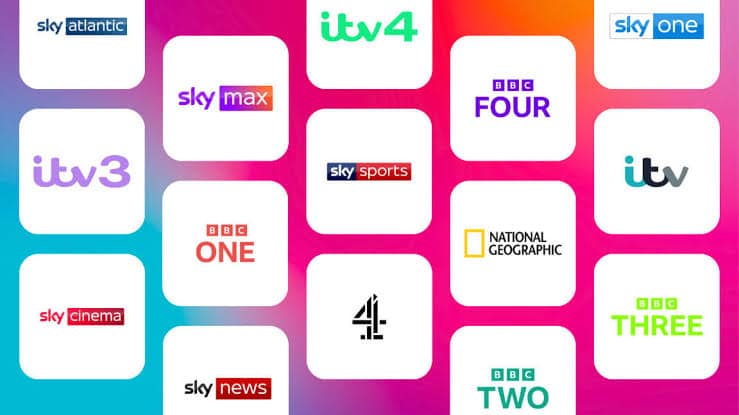
How to Watch UK TV Abroad in 2026
Key Takeaways
- BBC iPlayer, ITVX, Channel 4 and My5 are all geo-restricted to UK IP addresses. This is a licensing decision, not a technical accident, and there’s no official way around it.
- A UK TV Licence is required to watch or download BBC content wherever you are in the world, even though the BBC’s own guidance admits you technically can’t stream iPlayer from outside the UK.
- BritBox International is the legitimate route into a huge archive of British drama, comedy and classics for expats in the US, Canada, Australia and several other markets, but it’s on-demand only. No live channels, no live sport.
- Satellite still works for some UK expats in parts of southern Europe, but footprint coverage has shrunk and dish requirements have grown.
- Downloading iPlayer and ITVX content on UK wifi before you travel is a genuinely useful workaround for holidays and short trips, though downloads expire after 30 days.
- IPTV services like ZumTV aren’t a fix for BBC or ITV geo-blocking. They’re a separate, broader entertainment and sports access layer that many expats run alongside their official UK apps, not instead of them.
- The realistic setup for most expats abroad is a combination: one or two legitimate British apps, downloaded content for the plane, and an IPTV subscription for the rest of the entertainment and sport that isn’t tied to a UK-only broadcaster.
If you’ve moved abroad, or you’re planning an extended trip, the question of how to watch UK TV abroad comes up faster than almost anything else on the settling-in list. Broadband, yes. Bank account, sure. But it’s the missing sound of Saturday football commentary or a familiar soap opera that tends to catch people off guard first. Some 5.5 million British citizens now live abroad, and a good chunk of them run into this exact problem within their first month of settling in somewhere new.
This guide walks through what’s actually available to you as a British expat or long-term traveller in 2026, what the BBC and ITV’s own rules say, and where a general entertainment IPTV service like ZumTV realistically sits in the picture.
How to Watch UK TV Abroad in 2026, Why This Is More Complicated Than It Should Be
UK broadcasters don’t own the global rights to most of what they show. They licence content territory by territory, and those contracts limit distribution to UK audiences. That’s the root of the whole problem. It’s not that the BBC doesn’t want you watching Bake Off from a flat in Dubai. It’s that the rights holder for the format, the music, or the archive footage inside a given episode only sold UK streaming rights.
Add the TV Licence into the mix and things get genuinely confusing. TV Licensing’s guidance states you need a licence to watch iPlayer “wherever you are.” The same page also says you aren’t able to stream or download programmes on BBC iPlayer while abroad. So, technically, the rules ask you to hold a licence for something the platform itself won’t let you do. Most expats find this baffling on first read. You’re not imagining it.
BBC iPlayer is geo-restricted outside the UK, and a UK TV Licence currently costs £180 a year. ITVX, Channel 4, My5 and Sky Go apply the same logic. None of them were built with an overseas audience in mind, and none of them are likely to change that stance soon.
What You Can Legitimately Watch Abroad
BritBox International
BritBox International is still going strong in several overseas markets, with the United States priced around $10.99 a month or $89.99 a year. It’s owned by BBC Studios following the buyout of ITV’s stake, and it carries a genuinely large archive of British drama, comedy and classic television.
The catch is the one thing most expats actually want: live TV. BritBox International has no live UK channels and no live sport. If you want to watch tonight’s news as it airs, or Saturday’s match, BritBox isn’t the tool for that job. Think of it as a British Netflix rather than a British cable box, and it does that job well.
Coverage also isn’t universal. If you’re moving to Spain, Portugal, Greece or France, BritBox International isn’t currently available through official channels. Worth checking availability in your specific country before you factor it into your plans.
Buying Individual Titles
For anywhere BritBox doesn’t reach, you can buy individual series through Amazon, Apple or Google Play in most countries, which keeps everything above board if you’re happy to pay per title. It’s not cheap as a long-term habit, but for a specific show you’re missing, it’s the cleanest legal route available.
Downloading Before You Leave
If you’re travelling rather than relocating permanently, this is the option most people overlook. The iPlayer app allows downloads for offline viewing on mobile devices, valid for up to 30 days, so you can download programmes at home on UK wifi and watch them on the plane or in the hotel. ITVX supports offline downloads on the mobile app for most content too, though Channel 4 doesn’t currently offer this.
It’s a genuinely useful habit before a two-week holiday. It’s less practical if you’ve moved abroad permanently and want ongoing access, since you’d need to keep flying back to refresh your download library.
Satellite, Where It Still Works
For decades, the classic move for British expats in southern Europe was a satellite dish pointed at the Astra 28.2°E position, which carries UK free-to-air channels. This still works in much of southern Europe for the free-to-air channels, but you typically need a dish of 1.2 metres or larger in southern Spain, sometimes planning permission, and a clear line of sight to the sky. It stops working entirely once you leave the satellite’s footprint.
That last point matters. Move a country or two further from the UK and the option disappears completely, regardless of how good your setup is.
Willow TV, Hotstar and the Cricket Question
Cricket deserves its own mention, because it’s often the sport expats miss most acutely, and the UK broadcast picture doesn’t help much. Sky Sports Cricket is UK-only, same as everything else Sky. But cricket has a wider international broadcast footprint than football does, which works in expats’ favour. Fans in North America often find Willow TV covers international fixtures more comprehensively and at lower cost than trying to force a UK-only Sky product to work from overseas.
Fans across South Asia have similar luck with regional broadcasters that hold cricket rights directly. It’s one of the few areas where “watch it through the local rights holder in your new country” beats “try to recreate your old UK subscription,” so it’s worth checking what’s available regionally before assuming you need a UK-specific fix at all.
Common Mistakes Expats Make in Their First Few Months
A few patterns come up again and again in expat forums and Facebook groups, and most of them cost people money or frustration they didn’t need to spend.
The first is paying for a UK streaming subscription you already had before moving, without checking whether it even works from your new country. Sky Go, NOW and similar services check location on every login, not just once. A subscription that worked fine the week before you flew out can simply stop authenticating the moment your IP address changes, and refunds aren’t guaranteed.
The second is assuming every IPTV provider is interchangeable. Reliability varies enormously between services, and the market includes everything from well-run, properly supported international entertainment platforms to fly-by-night operations that vanish within months. Check for UK-based support, clear terms of service, and honest marketing that doesn’t promise access to content it has no rights to deliver.
The third is underestimating how much local broadband quality matters. A service can have excellent servers on its end and still buffer constantly if your building’s fibre connection is shared across forty flats and everyone’s home by 8pm. Test any new IPTV or streaming setup during peak local hours, not just during a quiet afternoon demo, before deciding whether it’s actually reliable.
The Gap Every Official App Leaves
Here’s the honest bit competitor guides tend to skip. Once you strip out live iPlayer and ITVX (both UK-only), and accept that BritBox is on-demand only, what’s left for an expat who wants to sit down at 8pm and watch something happening right now?
Not much, officially. This is exactly the gap that general entertainment and sports IPTV services have grown to fill, not by unblocking BBC or ITV, but by offering a completely separate catalogue of international entertainment, sport and channel content that was never geo-locked to the UK in the first place.
How IPTV Fits Into an Expat’s Viewing Setup
It’s worth being precise about what this is and isn’t. ZumTV is a streaming access layer, not a broadcaster and not a rights holder for BBC or ITV programming. It doesn’t unblock iPlayer, and it isn’t a workaround for the TV Licence requirement. What it does offer is a broad, separate library of international entertainment, movies, and sports coverage that expats can access from wherever they’ve settled, without needing a UK IP address at all.
For a lot of expats, that turns out to be the more useful half of the puzzle anyway. Free-to-air BBC and ITV coverage remains genuinely excellent within the UK, and nothing here changes that. But once you’re outside the UK, an IPTV subscription becomes a way to keep general entertainment, family viewing and sport in your evening routine without depending on a service that was never designed to travel with you.
What to Actually Expect From an IPTV Setup Abroad
Reliability comes down to your local broadband more than anything else. A stable connection of at least 15-20 Mbps handles most streams comfortably; anything patchier and you’ll notice buffering during peak evening hours regardless of which service you’re using. Most providers, ZumTV included, run through third-party player apps such as IPTV Smarters Pro or TiviMate rather than a native app store listing, so budget ten minutes for initial setup on a Firestick, Android box or smart TV.
A Realistic Viewing Stack for Expats
Most expats who’ve actually settled somewhere for a year or more, rather than just holidaying, end up running a combination rather than searching for a single silver bullet. A typical stack looks like this: BritBox International or Acorn TV for the archive of British drama and comedy, downloaded iPlayer content queued up before any trip home, and a general IPTV subscription for live sport, international channels and everyday family entertainment that fills the evenings.
None of these pieces replicate what you had plugged into the wall in the UK. But together, they cover most of what people actually miss, and they do it without wandering into territory that either the BBC’s terms of service or your own conscience would object to.
Explore ZumTV’s international entertainment and sports channels. Start your free trial today.
Building Your Stack Step by Step
Rather than trying to solve everything at once, it helps to tackle this in order. Start with whichever official British archive service is available in your specific country, whether that’s BritBox International, Acorn TV, or another licensed option, since this is the lowest-effort piece and covers the drama and comedy backlog most people miss first.
Next, before your first trip home or your first visit from family, get into the habit of downloading a queue of iPlayer and ITVX content while you’re still on UK wifi. It costs nothing beyond a few minutes of planning and covers flights, hotel stays, and the first few days of any return visit.
Then look at what’s genuinely missing: live sport, ongoing entertainment, international channels, and the kind of everyday background television that a purely on-demand archive can’t replicate. This is where a general IPTV subscription earns its place in the stack, not as a replacement for anything official, but as the piece that fills the evenings once the archive content runs dry.
Finally, revisit the whole setup every few months. Broadcaster availability changes, app terms update, and what worked when you first moved abroad may look different a year later. Expats who check in on their viewing stack periodically tend to avoid paying for services they’ve quietly stopped using.
Setting Realistic Expectations
No solution here is perfect, and it’s worth saying that plainly rather than promising a fix that doesn’t exist. BritBox has gaps. Satellite has a shrinking footprint. Downloads expire after a month. An IPTV subscription broadens what you can watch, but it was never built to replicate a UK postcode.
The expats who settle into a comfortable routine abroad are usually the ones who stop chasing a single perfect setup and instead build a small stack of two or three services that between them cover sport, drama, and everyday family viewing. It takes an evening to set up properly and then mostly runs itself.
See what’s included in a ZumTV subscription for expats and international viewers.
Can I watch BBC iPlayer abroad legally?
BBC iPlayer is geo-restricted to UK IP addresses, and the BBC’s own guidance states you aren’t able to stream or download from iPlayer while outside the UK. A TV Licence is technically required to watch BBC content wherever you are, but this doesn’t grant access from abroad. There’s no official workaround for this restriction.
Is BritBox International the same as BBC iPlayer?
No. BritBox International is a separate on-demand subscription service built specifically for viewers outside the UK, carrying a large archive of British shows. It has no live channels and no live sport, unlike iPlayer, which streams live within the UK.
Does ZumTV give me access to BBC or ITV abroad?
No. ZumTV is a general entertainment and sports IPTV access layer, not a broadcaster or rights holder for BBC or ITV content, and it doesn’t unblock geo-restricted UK apps. It provides a separate international catalogue of entertainment and sport that expats can use alongside official UK apps.
What’s the best way to watch UK shows on a short trip abroad?
Download the specific episodes you want on the iPlayer or ITVX mobile app while you’re still on UK wifi. Downloads are valid for up to 30 days and work offline, making them ideal for a two-week holiday rather than a permanent move.
Does satellite TV still work for British expats in Europe?
In parts of southern Europe, yes, for free-to-air channels via the Astra 28.2°E satellite position, though you’ll typically need a large dish and a clear view of the sky. Coverage stops entirely once you’re outside the satellite’s footprint, which rules it out for expats further afield.
One Response